

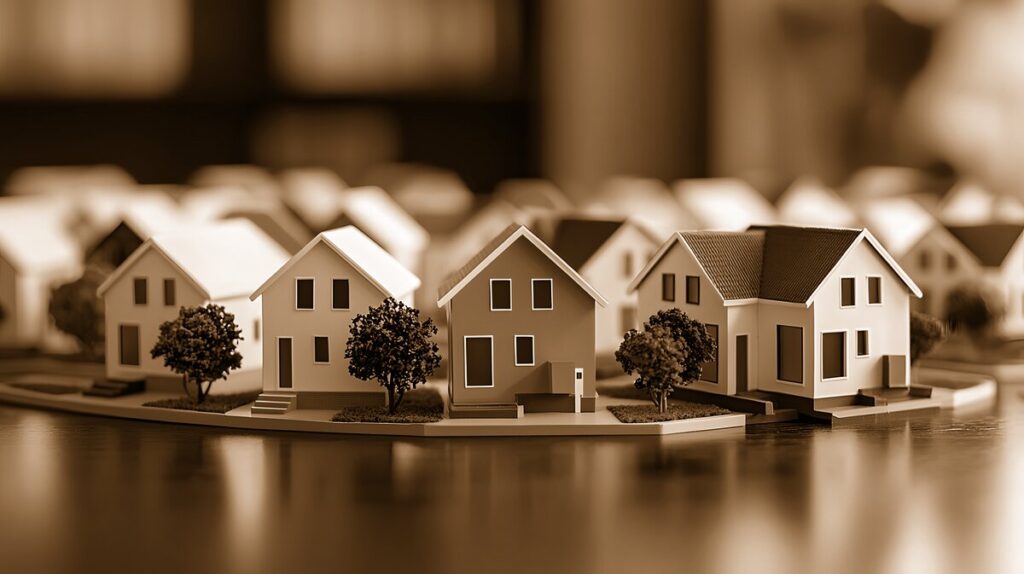
Nestled in the heart of Evanston, Illinois, the Hastings neighborhood brims with a rich past and an enduring sense of community. For generations, its quiet streets, historic homes, and inviting parks have drawn families, students, and entrepreneurs alike. Join me as I share the story of Hastings — a neighborhood as resilient as it is charming.
The Origins of Hastings: From Farmland to Neighborhood
Hastings traces its roots to the late 19th century, a time when Evanston was expanding beyond its downtown core. Originally, the area that would become Hastings was a patchwork of farmland and wooded lots, crisscrossed by Native American trails and, later, dusty carriage roads. As the city’s population grew with the founding of Northwestern University in 1851, pressure mounted to develop new residential areas north of Church Street and east of Dodge Avenue.
The neighborhood’s name is believed to pay tribute to Charles Hastings, a prominent local businessman and alderman who played a pivotal role in establishing the first public school in western Evanston. Hastings was an advocate for suburban living, and his family’s farm stood at what is now the intersection of Hastings Avenue and Greenwood Street. The legacy of his civic spirit lives on in the neighborhood’s sense of stewardship and community involvement.
Historic Milestones: Growth and Community
Throughout the early 1900s, Hastings experienced its first housing boom, as grand Victorian and sturdy Craftsman homes sprang up along streets like Grey Avenue, Darrow Avenue, and Wesley Avenue. The arrival of the Chicago, Milwaukee & St. Paul Railroad to nearby Main Street Station brought new residents and commerce, connecting Hastings with Chicago and neighboring suburbs.
Key historical milestones include:
- Construction of Dewey Elementary School (originally Hastings School) in 1913: Serving as a central hub for neighborhood children and community activities. The school’s classic red-brick facade still stands proudly on Ashland Avenue.
- Development of James Park in the 1920s: The city’s vision turned a stretch of lowland into an expansive green space, now beloved for its ball fields, sledding hill, and community gardens. Many remember James Park for hosting summer picnics and little league games.
- The Great Migration and neighborhood diversity: In the mid-20th century, Hastings welcomed families from Chicago and the American South, enriching the community’s cultural heritage as historic redlining finally eased.
Notable Landmarks and Institutions
Hastings’ landscape is dotted with enduring landmarks and institutions that tell the neighborhood’s unique story:
- Dewey Elementary School: More than an educational institution, this school has fostered generations of Hastings children, producing spirited alumni with hearts for service.
- James Park: Much more than grass and ballfields, James Park is an urban oasis. For decades, it has hosted Evanston’s Fourth of July celebrations, outdoor movie nights, and bustling community farmer’s markets.
- The Church of the Good Shepherd: Founded in 1922 on South Boulevard, this striking Gothic Revival church remains a beacon for worship, social justice, and neighborhood outreach.
- Historic bungalows and Foursquare homes: Scattered along Forestview Road and Lyons Street, these lovingly preserved residences offer a glimpse into early Evanston architecture.
Evolution Through the Decades
Hastings has always been a neighborhood in motion, shaped by new residents and evolving needs. During the post-World War II building boom, ranch-style homes appeared alongside the older Victorians, and longtime family-owned businesses anchored neighborhood corners.
In the 1960s and ’70s, Hastings became a focal point for social change. Many homes opened their doors for civil rights gatherings, and neighbors banded together to save local parks from development. The 1980s brought renewed investment in historic preservation, as proud owners restored intricate woodwork and expanded porches.
Today, Hastings reflects both its storied past and a bright, diverse future. Recent years have welcomed new restaurants and coffee shops on Dempster Street, while neighborhood groups organize park clean-ups and block parties as enthusiastically as ever. On summer evenings, it’s common to see residents tending the James Park Community Garden or children playing along the leafy sidewalks.
What Makes Hastings Special
As a longtime resident, I cherish the neighborly touches that set Hastings apart:
- Early morning walks in James Park, when the dew clings to soccer nets and the sun peeks over the trees on Oakton Street.
- Porch conversations with neighbors who span generations — everyone has a story about their first snowfall, or when they cheered the Dewey School Dragons to victory.
- Annual block parties on Forestview and Lyons with potlucks, bounce houses, and the fire department’s honorary water hose parade.
Hastings is more than a location — it’s a mosaic of history, homes, and heart. Its enduring spirit ensures that newcomers are always welcome, and old-timers always have a place to reminisce.
Looking Ahead
While preserving its historical character, Hastings remains open to progress. Neighborhood associations advocate for sustainable development, accessible transit options, and the protection of green spaces. Local schools and institutions continue to anchor community life, ensuring that the best parts of the past inform a vibrant future.
Wandering the streets of Hastings, from the stately maples of Greenwood to the energetic playgrounds of James Park, one feels the tapestry of stories that define this neighborhood. Hastings isn’t just a chapter in Evanston’s history — it’s a living, breathing tribute to resilience, diversity, and enduring warmth.